
CNC Routed Aluminum
American Acrylics
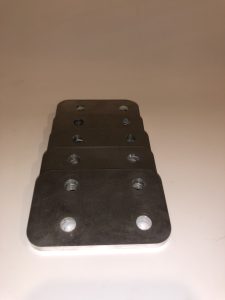
Exploring the World of CNC Routed Aluminum
Welcome to CNC Routed Aluminum
In the dynamic landscape of modern manufacturing, CNC (Computer Numerical Control) machining stands as a cornerstone technology, enabling precision and efficiency in crafting intricate parts and components. When it comes to metal fabrication, aluminum reigns supreme for its lightweight, durable, and versatile properties. In this website, we delve into the fascinating realm of CNC routed aluminum, exploring its applications, benefits, and the endless possibilities it offers across various industries.
Understanding Aluminum
Aluminum, a lightweight and corrosion-resistant metal, has become indispensable in countless industrial applications. From aerospace and automotive to construction and electronics, its versatility and abundance make it a material of choice for manufacturers worldwide. Its exceptional strength-to-weight ratio, machinability, and recyclability make it a preferred choice for CNC machining.
The Power of CNC Routing
CNC routing involves using computer-controlled machinery to precisely cut, shape, and carve materials according to digital designs. When applied to aluminum, CNC routing offers numerous advantages, revolutionizing the way metal parts are manufactured and fabricated.
Advantages of CNC Routed Aluminum
Precision: CNC routers excel at achieving precise cuts and intricate designs on aluminum, ensuring that each component meets exact specifications with consistent accuracy.
Efficiency: CNC routing streamlines the manufacturing process, reducing production times and minimizing material wastage, thereby optimizing operational efficiency and cost-effectiveness.
Complexity: Intricate geometries and complex contours are easily achievable with CNC routing, allowing for the creation of custom components and parts that would be challenging or impossible to produce using traditional methods.
Versatility: From flat sheets to three-dimensional profiles, CNC routers can handle a wide range of cutting tasks with ease, making them suitable for diverse applications across industries.
Cost-Effectiveness: While CNC machining may have higher initial setup costs, it often proves to be more cost-effective in the long run, especially for large-scale production runs, due to reduced material wastage and efficient operation.
Applications of CNC Routed Aluminum
The versatility of CNC routed aluminum makes it invaluable in various industries:
Aerospace and Automotive: Aluminum components machined with CNC routers find applications in aircraft structures, automotive chassis, engine parts, and interior panels due to their lightweight nature and high strength-to-weight ratio.
Electronics and Electrical: Aluminum enclosures, heat sinks, and connectors machined with CNC routers offer superior thermal conductivity and electromagnetic shielding properties, making them ideal for electronic and electrical applications.
Construction and Architecture: Architectural features such as façades, curtain walls, and structural elements benefit from the durability, corrosion resistance, and aesthetic appeal of CNC routed aluminum.
Marine and Offshore: Aluminum parts and components machined with CNC routers are used in marine vessels, offshore platforms, and underwater structures due to their corrosion resistance and lightweight properties.
Industrial Machinery: CNC routed aluminum is utilized in the fabrication of industrial machinery components, conveyor systems, and automation equipment owing to its strength, machinability, and dimensional stability.
Choosing the Right Aluminum for CNC Routing
When selecting aluminum for CNC routing projects, several factors come into play:
Alloy: Different aluminum alloys offer varying mechanical properties, such as strength, hardness, and corrosion resistance. Choose the appropriate alloy based on the specific requirements of your application.
Thickness: The thickness of the aluminum sheet or profile influences the cutting parameters and the types of designs that can be achieved. Thicker sections may require specialized tooling and machining techniques for optimal results.
Surface Finish: Consider the desired surface finish of the final product, whether smooth, brushed, or textured, and select the appropriate machining parameters and tooling accordingly.
Tolerances: Determine the required tolerances for your application to ensure that the CNC routed aluminum parts fit and function as intended, especially in precision engineering and assembly.
Conclusion
CNC routed aluminum represents the convergence of cutting-edge technology and advanced materials, offering unparalleled precision, versatility, and efficiency in manufacturing and fabrication. Whether you’re crafting aerospace components, architectural features, or industrial machinery parts, CNC routing empowers you to unleash the full potential of aluminum in diverse industries. Explore the possibilities of CNC routed aluminum and discover how this innovative process can elevate your projects to new heights of excellence.
Thank you for visiting our website. For inquiries, collaborations, or to discuss your CNC routing needs, feel free to contact us. Let’s embark on a journey of creativity and innovation together!
American Acrylics
WHY CHOOSE US?



Quality
Experience exceptional quality and satisfaction with our precision custom acrylic products designed to meet your unique needs.
Competitive Prices
Embrace maximum value with our cost-effective selection of options curated to drive your efficiency without compromising on quality or performance.
On-time Delivery
Choose American Acrylics for superior products that not only meet your needs but arrive on time. We take pride in clear communication from our first discussion about your project until your parts arrive according to schedule.